Water damage in your Queen Creek home? One call, a live dispatcher, and a crew on the way. Free inspection, no upfront cost, and an average 40-minute response across Queen Creek.
A local crew for Queen Creek homes — live dispatch, 24/7, about 40 minutes on average.
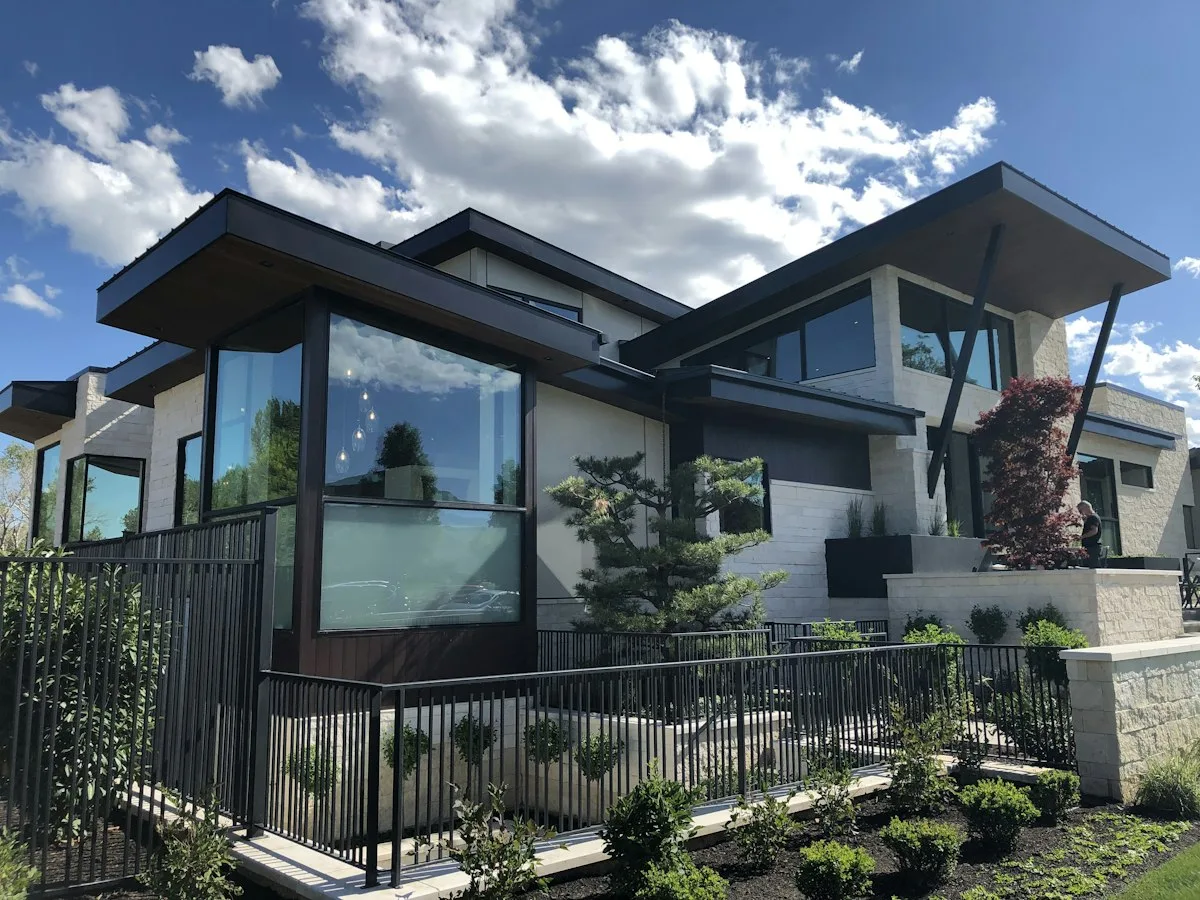
Queen Creek is growing fast, and new homes bring their own water-damage surprises: construction defects that show up in the first monsoon season, swamp coolers installed on new roofs, and slab plumbing that has never been tested by a hard freeze or a summer storm. Monsoon flooding is the headline risk here — heavy summer rain can overwhelm drainage, push water against foundations, and find its way through any weak point in a roof or wall. When that happens at 2 a.m., you need a crew that answers the phone.
When you call, a live dispatcher answers around the clock and sends the nearest crew with extraction and drying equipment. Our average arrival across Queen Creek is about 40 minutes, including nights, weekends, and holidays. The crew starts with a free inspection and a written scope before any work begins, so there are no surprise invoices and no pressure to commit on the spot.
Newer homes can hide damage longer than older ones. Fresh drywall and new flooring conceal moisture well, so a leak can soak a subfloor for days before a stain or a smell gives it away. That is why we map moisture with meters and thermal imaging before we dry anything — the readings, not the visible stain, decide how far the drying goes. It is also why calling early matters: a minor $500–$1,500 job caught in week one can become a major rebuild if it is left until the next season.
The failure patterns we see most often in Queen Creek — and why each one needs a fast response.
Heavy summer rain overwhelms drainage and pushes water against foundations, roofs, and walls — often in the middle of the night.
Copper lines embedded in slabs corrode from hard, mineral-heavy water. A warm spot on tile or a spiking water bill is often the first sign.
Rooftop swamp coolers rely on a float valve and constant water feed. When the float sticks, water sheets down interior walls for days.
Braided washing-machine hoses, ice-maker lines, and water heaters are the most common cause of residential water damage — and usually fail while no one is home.
First-season leaks from flashing, seals, and plumbing that only show up under monsoon rain or sustained use.
Stuck auto-fill valves and monsoon runoff can push thousands of gallons across pool decks and through sliding-door thresholds.
Calling from Queen Creek, tell the dispatcher where the water is and whether it is still spreading — that is enough to send the right truck. While the crew is on the way, the dispatcher will guide you through shutting off the water at the source and, if water is near outlets or appliances, turning off electricity to the affected rooms. Move rugs, electronics, and valuables out of the water while you wait.
On arrival, the crew extracts standing water, then maps moisture with meters and thermal imaging so hidden pockets behind walls and under floors are found before drying starts. Equipment is set up the same visit and checked daily until readings confirm the structure is dry. Repairs — drywall, flooring, cabinets, paint — are handled by the same crew. Most Queen Creek jobs take 3–5 days from extraction to a fully dry structure, with extra time for rebuilds depending on the extent of the damage.
Every job starts with a free inspection and a written scope.
| Problem | What it usually means | What we do first | Typical cost range |
|---|---|---|---|
| Monsoon flooding | Storm water entering fast | Extraction, containment, drying | Moderate $1,800–$4,000 |
| Burst pipe or active leak | Clean or gray water spreading fast | Shutoff guidance, extraction on arrival | $500–$6,000+ by size |
| Wet carpet or flooring | Water wicked into padding and subfloor | Extraction, moisture mapping, drying | Minor $500–$1,500 |
| Warm tile / high water bill | Likely slab leak under the floor | Leak detection, access, repair, dry-out | Moderate to major |
| Musty smell, no visible water | Hidden leak feeding mold growth | Full moisture survey, mold remediation | Moderate to major |
Five steps, one crew, no handoffs — every job follows the same IICRC S500 workflow.
We guide you before the crew even arrives.
Water is categorized and mapped with meters and thermal imaging.
Standing water removed right away with commercial equipment.
Monitored daily until readings confirm the structure is dry.
Repairs completed, final walkthrough together with you.
A free inspection and written scope come before any work — no surprise invoices.
There is no extra charge for after-hours or emergency calls in Queen Creek — you pay for the actual restoration work, not a callout fee. Most jobs follow the same $500–$6,000 range based on size and water category.
Small leak, single-room mitigation.
Full-room clean water with monitored drying.
Multi-room or gray/black water with rebuild.
See the full breakdown on our water damage restoration cost page.
If you searched "water damage restoration near me" from anywhere in Queen Creek, you're in the right place.
Also serving nearby Mesa, Gilbert, Chandler, Tempe, and Queen Creek. Don't see your area? Call us — we likely still cover you. See our main Queen Creek water damage restoration page, the Mesa near-me hub, and our full services.
Our average arrival across Queen Creek is about 40 minutes, 24 hours a day, including nights, weekends, and holidays. The live dispatcher will confirm the crew's status when you call.
Yes. First-season leaks from flashing, seals, and plumbing are common in new builds, and fresh drywall can hide moisture for days. We map it with meters and thermal imaging before drying anything. See our new construction water damage page.
No — we do not charge a separate emergency callout fee. Pricing is based on the actual scope of restoration work, and the inspection and written scope are free.
Most jobs fall between $500 and $6,000: minor $500–$1,500, moderate $1,800–$4,000, major $4,000–$6,000+. Clean water runs $3–$4 per square foot, gray water $4–$7, black water $7–$10. See our cost page.
If it is safe, shut off the water source and electricity to affected areas, and move valuables away from the water. Our dispatcher will walk you through this on the call.
Most sudden, accidental water damage is covered by standard homeowners insurance. We document the loss and can bill your insurer directly — see our insurance claims assistance page.
Real Mesa-market ranges by category and job size.
Clean, gray, and black water — what each means for your home.
Day-by-day: extraction, drying, and rebuild in 3–5 days.
The first 30 minutes matter most — here's exactly what to do.
When a wet-vac is enough, and when to call a certified crew.
Why mold and bacteria growth can't wait more than 48 hours.
Free inspection · 24/7 dispatch · ~40-minute average arrival
Call (480) 806-2186Our Mesa crew is ready 24/7 — average arrival ~40 minutes. Free inspection, no upfront cost.
Call (480) 806-2186